
In France, women remain significantly underrepresented in street art. According to existing studies, they currently account for only about 15 to 25 percent of the artists visible in public spaces. This figure is not insignificant. It speaks volumes about the barriers, habits, and imbalances that remain deeply entrenched. At PALM, we are convinced that transforming public spaces also requires better representation of women. This isn’t just a stance; it’s a fundamental choice.
Our selection of 7 female street artists
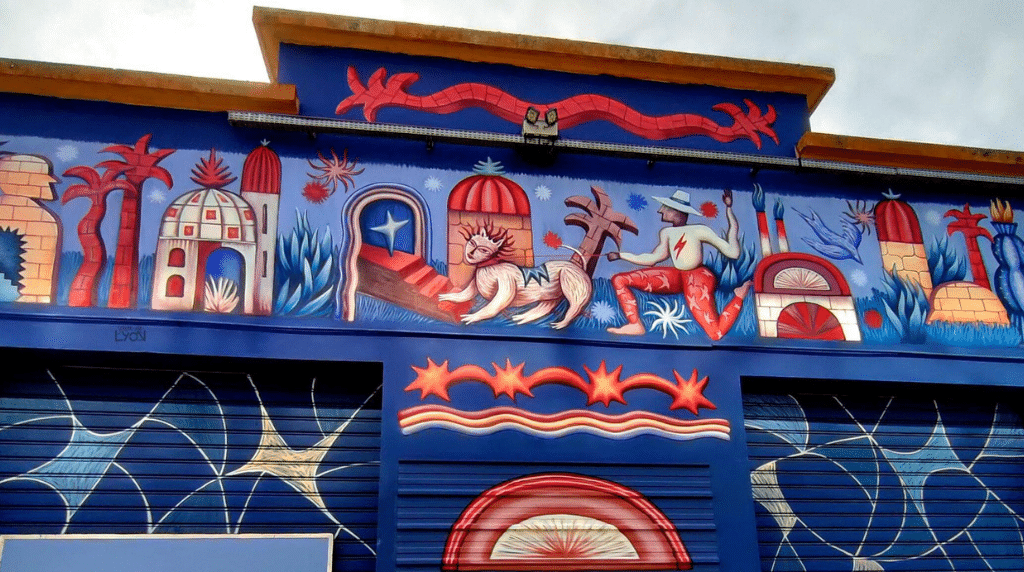
Hartley Red

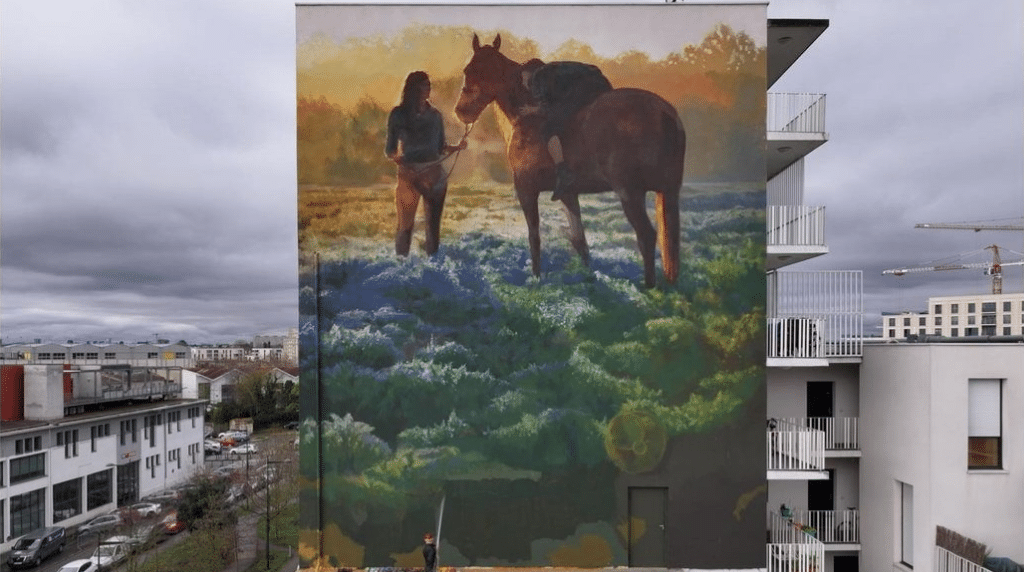
A French painter, she was born in 1989 and graduated from the Bordeaux School of Fine Arts. She creates murals and pictorial installations in public spaces, based on a poetic and narrative style of figurative painting. Her work explores reality and the urban landscape to create narratives that resonate with each viewer.
Makiko Furuichi
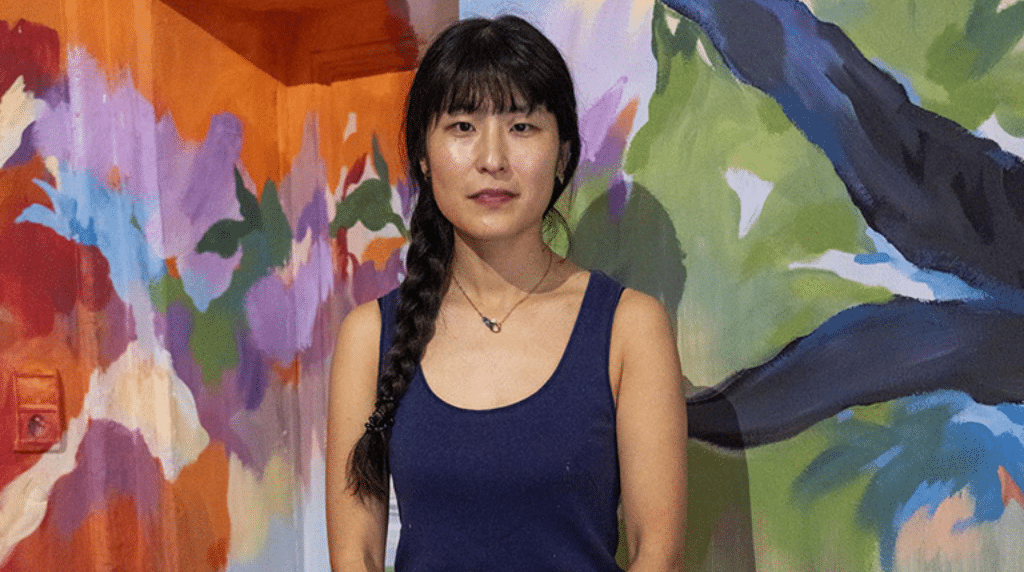
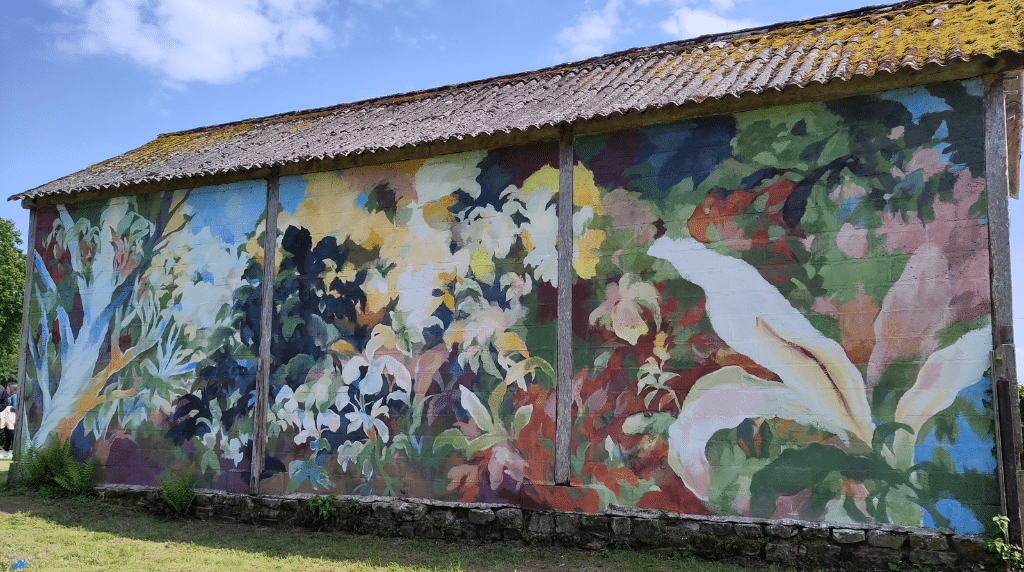
A Japanese artist based in France, she explores the themes of plants and living things. She creates organic, hybrid forms that lie somewhere between plants, bodies, and creatures, as if everything were part of the same chain of transformations.
Her work explores growth, regeneration, and interdependence. Through painting and sculpture, she develops a language in which living things are not motifs, but structures.
Giving these initiatives a platform means expanding the visible points of reference in our cities and restoring balance to who has the right to shape the landscape.
Loraine Motti
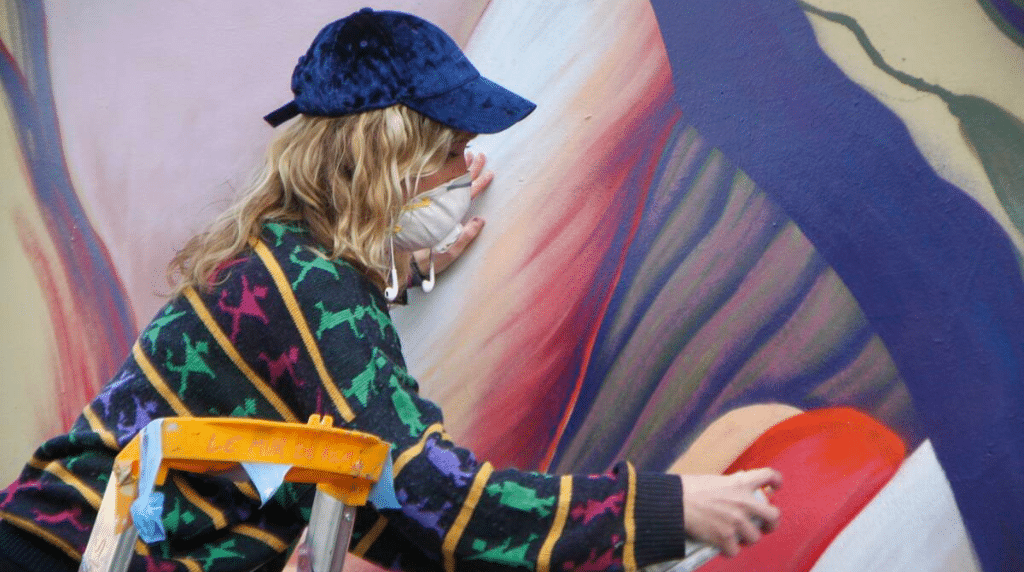
She creates figurative landscape works that are highly precise in their rendering of volume and atmosphere, which she shifts toward surrealism. Through unexpected colors, shifts in scale, and almost cinematic compositions, she creates scenes in which nature becomes a narrative, straddling the line between the familiar and the strange.
Making room for the worlds of women artists means accepting that the city can tell other stories.
Read: Who are the most famous street artists?
Adele Renault
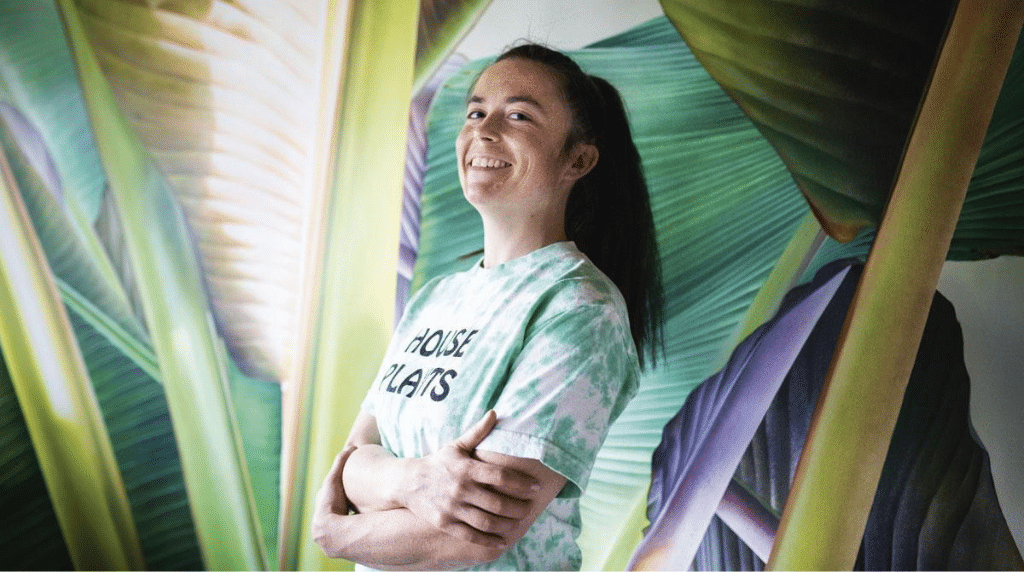
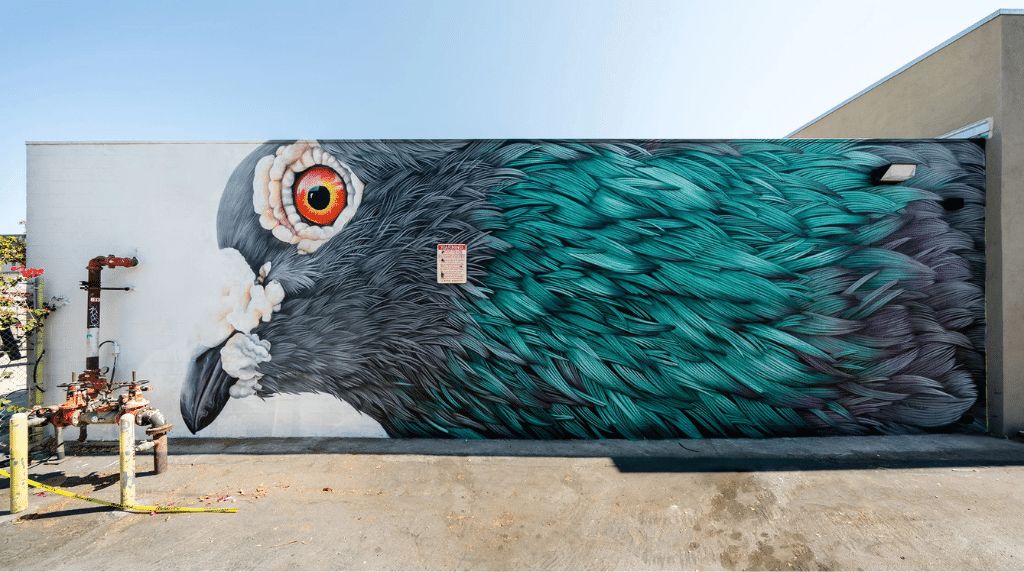
Her work is distinguished by an approach that is both delicate and monumental. She draws on her observations of the real world—on fragments of everyday life—to create works that engage with their surroundings. Her compositions, often inspired by nature and animals, establish a strong presence in public spaces without ever overwhelming them.
Her works are not merely decorative. They tell a story, evoke memories, and challenge our relationship with living things and the city. She brings a sense of controlled gentleness to contexts that are sometimes raw, industrial, or mineral.
Madam
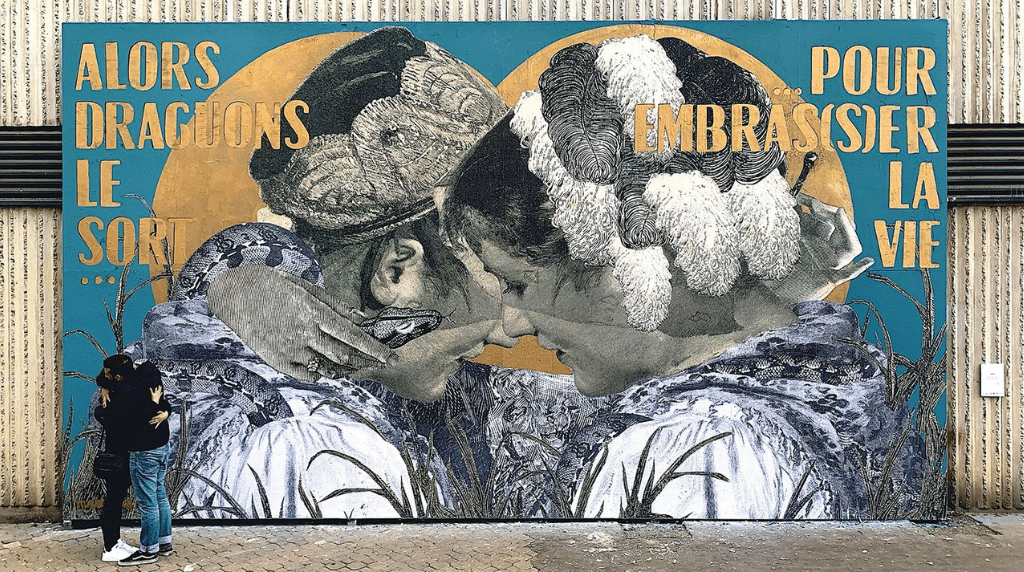
She creates an instantly recognizable world centered on powerful, full-face, often monumental female figures. Her characters occupy the space with confidence. They gaze, they defy, they assert themselves.
Her work draws on ornamentation, textiles, repetitive patterns, and symbolic references. She creates portraits in which the setting is never secondary; it structures the narrative and reinforces the identity of the figures depicted.
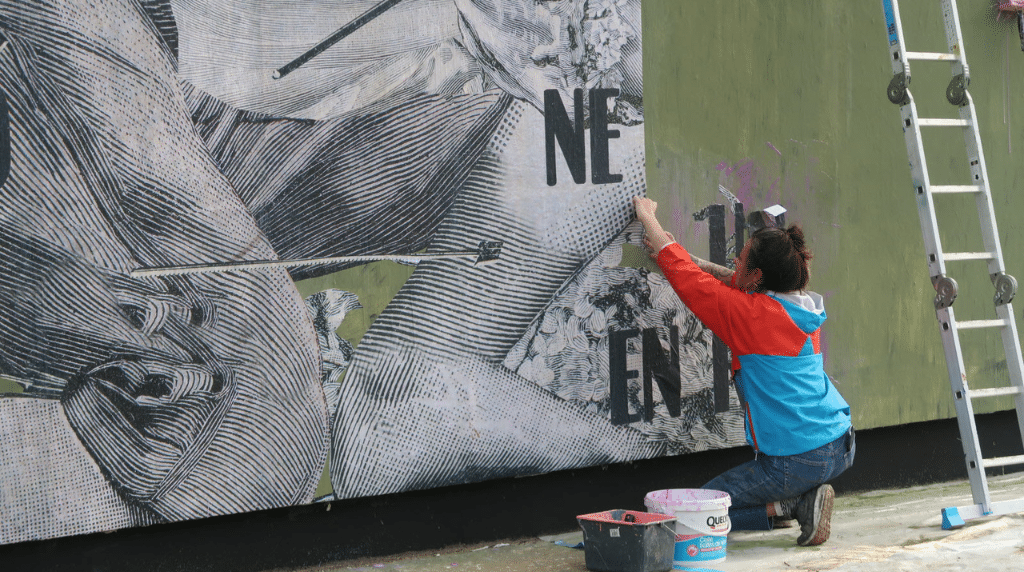
Nadège Dauvergne
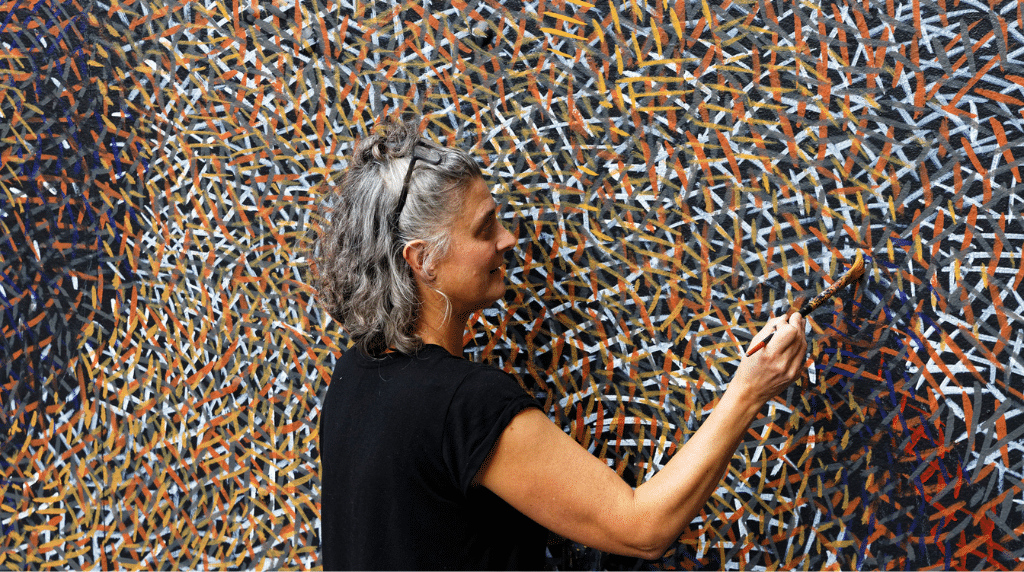
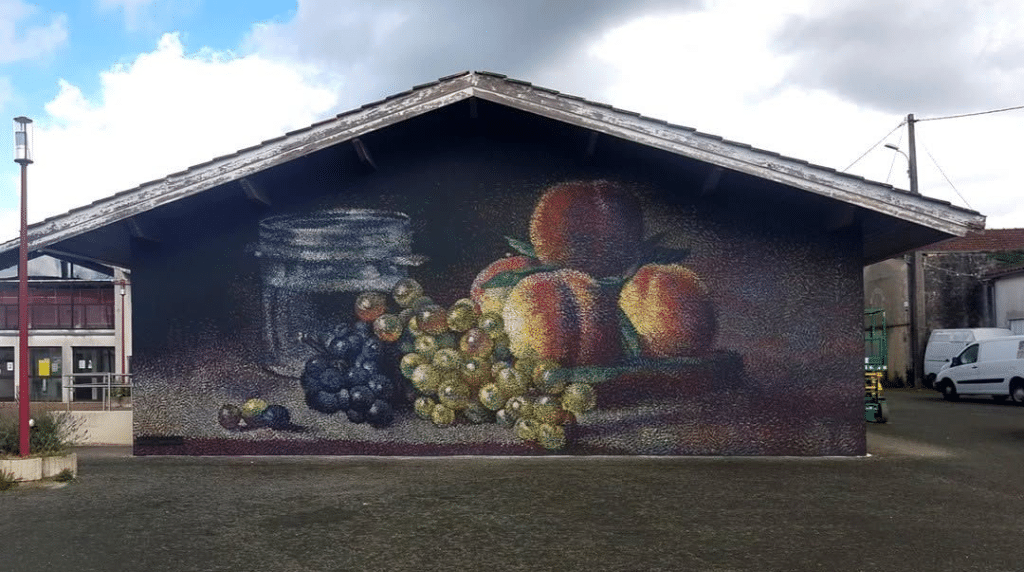
Her work is based on a meticulous technique of layering lines. She builds her compositions line by line, using an approach akin to contemporary pointillism, in which the drawing itself becomes the medium.
Her works are firmly rooted in a figurative tradition. Faces, bodies, timeless scenes. Her references are classical, accessible, and immediately recognizable. She draws on universal visual codes that allow everyone to engage with her work without any filters.
Camille Walala

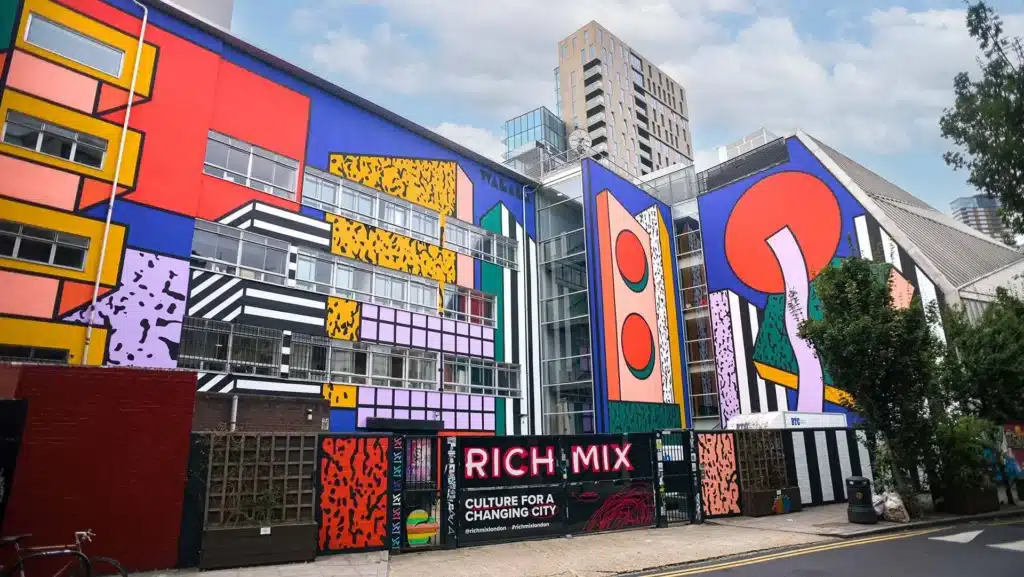
She has developed an instantly recognizable visual language built around geometric shapes, bold colors, and immersive compositions. Her work transforms surfaces into graphic landscapes where architecture and painting engage in a direct dialogue.
Inspired by the Memphis movement, textile patterns, and the Op Art aesthetic, she creates environments in which color and pattern redefine our perception of space. Her installations play with scale, perspective, and visual rhythms to create joyful, dynamic, and accessible spaces.
See also


