Découvrez toute l’histoire de la fresque. Des fresques peintes dans l’enduit frais jusqu’aux œuvres qui ornent nos villes. Et notre vision sur l’avenir des fresques.
Summary
L’affresco italien de l’Antiquité
Le terme fresque désigne historiquement une technique picturale bien précise. On peint directement sur un enduit frais à base de chaux. Ce procédé permet aux pigments de s’intégrer chimiquement au support lors du séchage. C’est l’affresco italien, utilisé depuis l’Antiquité, qui garantit une longévité exceptionnelle aux œuvres murales.
The murals , on the other hand, goes beyond this strict technical definition. It encompasses any monumental work painted on a wall or architectural surface, regardless of the process used. Thus, it can be created using murals , acrylic paint, spray paint, brushes, or rollers. It can also be integrated into a collage or mixed media work. This term emphasizes the creative intent, cultural value, and public dimension of the work.
La fresque : un langage universel
The first frescoes date back to well before recorded history. The cave paintings at Lascaux (France), estimated to be around 17,000 years old, are one example. They combine visual storytelling, technical mastery, and seamless integration with the natural architecture of the cave.
Les fresques dans l’Égypte ancienne
En Égypte antique, les tombeaux de la vallée des Rois sont ornés de fresques polychromes. Elles servaient de guide visuel pour accompagner le défunt dans l’au-delà. Chaque couleur et chaque geste représenté possédaient un sens symbolique fort.
Les fresques dans la Rome antique
Dans la Rome antique, les villas de Pompéi et d’Herculanum offrent encore aujourd’hui des exemples fascinants. Leurs fresques décoratives et illusionnistes transformaient les murs en jardins imaginaires, en scènes mythologiques ou en perspectives architecturales.
Les fresques en Inde
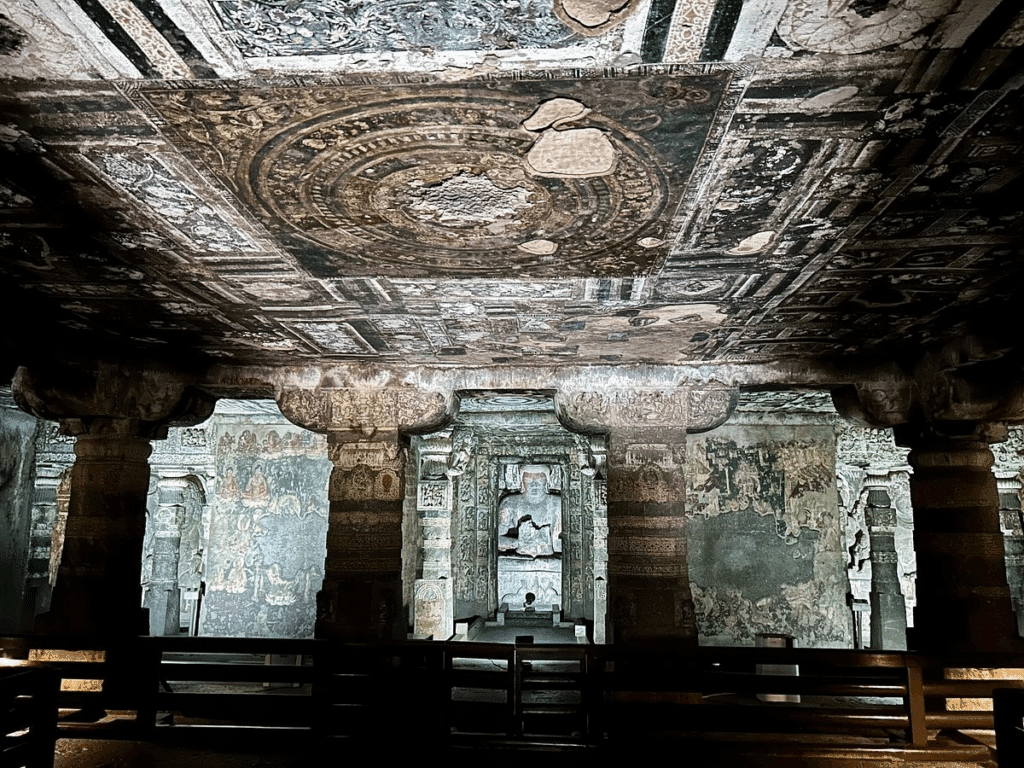
En Inde, les fresques bouddhiques des grottes d’Ajanta (IIe siècle av. J.-C. au VIe siècle) racontent la vie du Bouddha. Elles relatent aussi les récits Jataka, avec une palette riche et des compositions dynamiques.
Les fresques dans les civilisations précolombiennes
In the Americas, the pre-Columbian Mayan and Aztec civilizations covered temples and palaces with vibrant frescoes. These frescoes combined cosmology, power, and nature.
Everywhere, we find the same principle: murals a monumental visual language, capable of speaking to everyone, without language barriers.
Les fresques au Moyen Age
Au Moyen Âge, la fresque européenne est indissociable de l’architecture religieuse. Les murs des églises, comme à Saint-Savin-sur-Gartempe, sont couverts de scènes bibliques qui servent d’« encyclopédie visuelle » aux fidèles.
Les fresques à la Renaissance
La Renaissance italienne marque un âge d’or : Michel-Ange, Raphaël, Léonard de Vinci (bien qu’il ait souvent utilisé la technique a secco) repoussent les limites de la perspective, de l’anatomie et de la narration monumentale.
In the 17th and 18th centuries, murals art murals throughout royal palaces and civic buildings, often to glorify political or military power. The 20th century saw the emergence of Mexican muralism, led by Diego Rivera, José Clemente Orozco, and David Alfaro Siqueiros. These frescoes were no longer merely decorative: they conveyed a social, political, and identity-based message. This movement inspired generations of artists around the world, right up to contemporary forms of street art and urban art, where frescoes became vehicles for free and participatory expression, sometimes ephemeral, sometimes permanent.
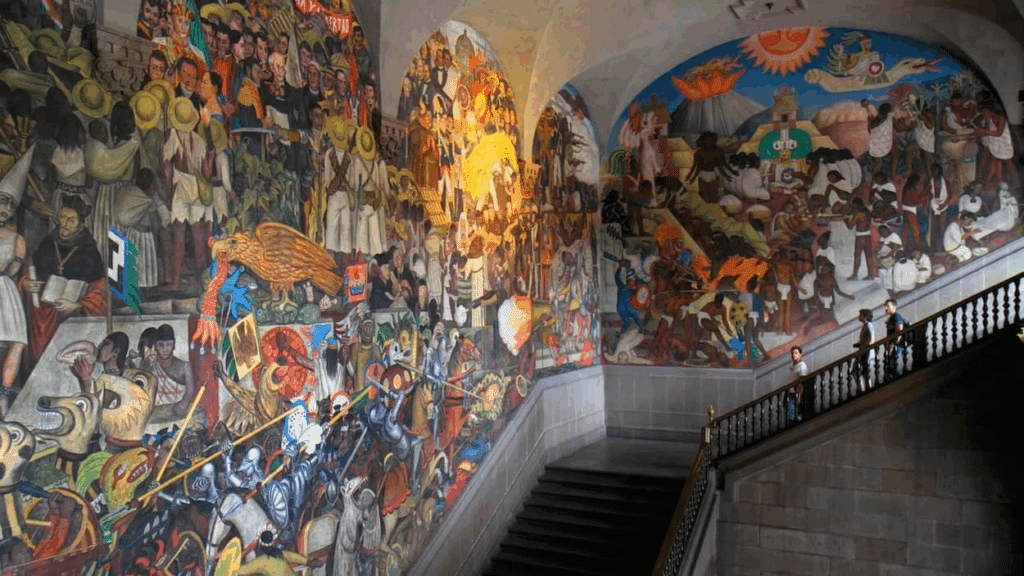
La fresque artistique aujourd’hui : une diversité de supports et d’expressions sans précédent
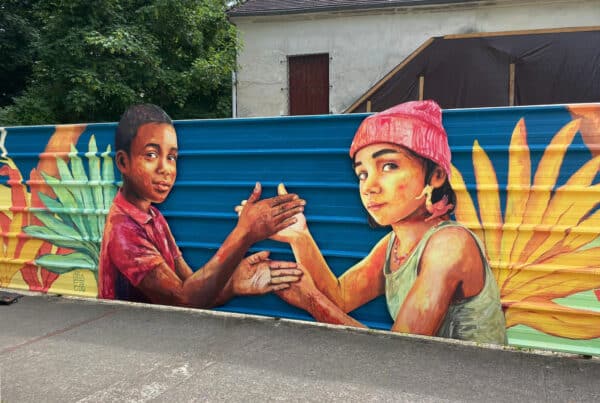
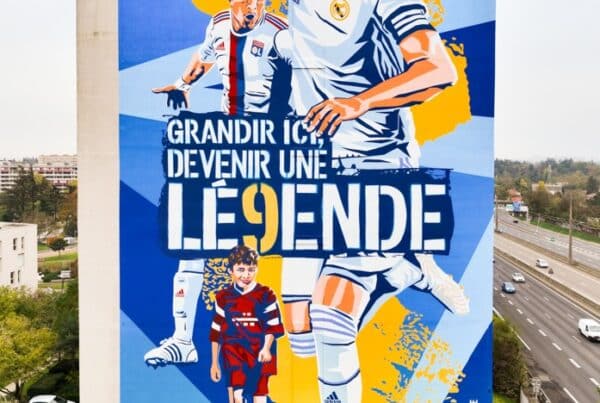
Longtemps associée aux plafonds des palais, aux coupoles d’églises ou aux murs intérieurs monumentaux, la fresque artistique a désormais investi l’ensemble de l’espace urbain. Elle se déploie sur des façades entières, recouvre les sols, transforme des terrains de sport en œuvres à ciel ouvert, s’invite sur des infrastructures exceptionnelles comme des ponts ou des châteaux d’eau. Chaque surface, qu’elle soit verticale, horizontale ou oblique, devient un potentiel terrain d’expression artistique.
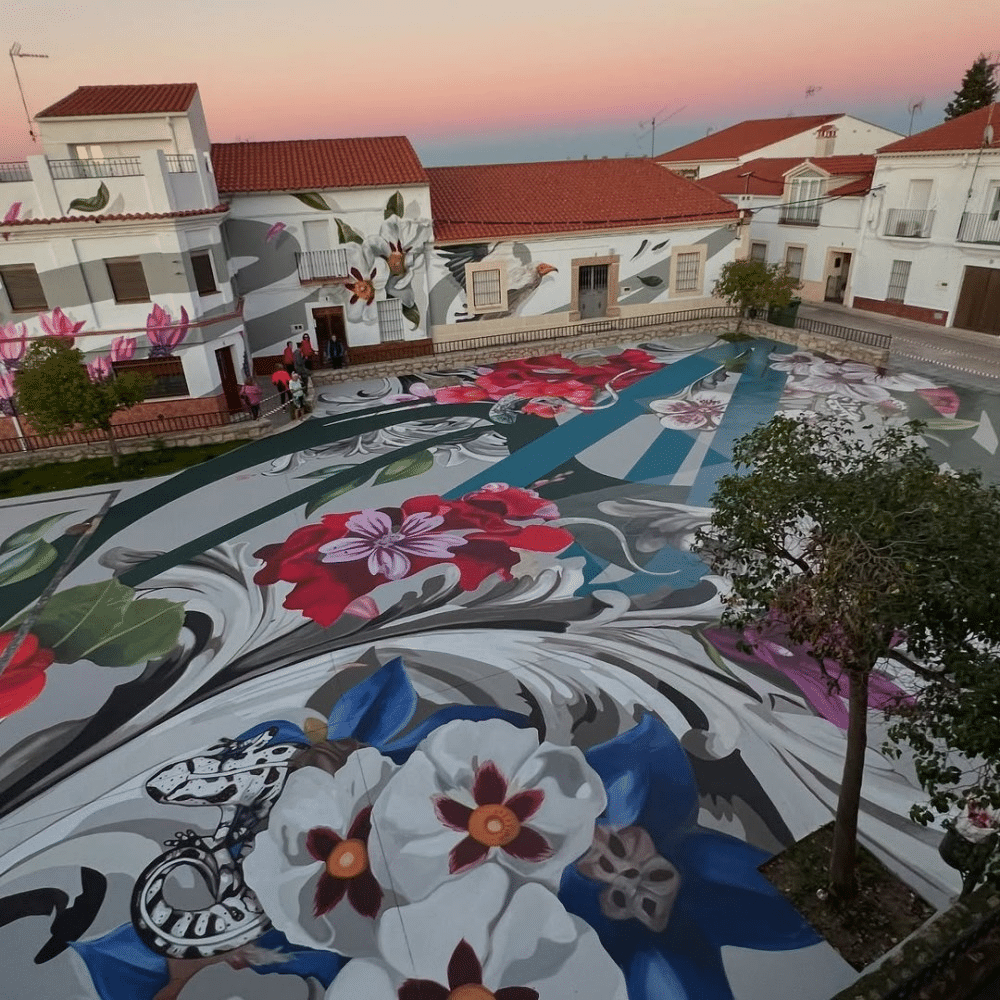
This openness is not limited to media: never before in history have artistic possibilities been so vast. Today, sponsors can draw on a pool of artists with varied styles, ranging from hyperrealism to minimalist graphics, from figurative to abstract, from street art to illustration and contemporary art. Local and international art scenes offer an almost unlimited choice of interpretations, each bringing its own sensibility, cultural references, and visual language.
Les fresques en France
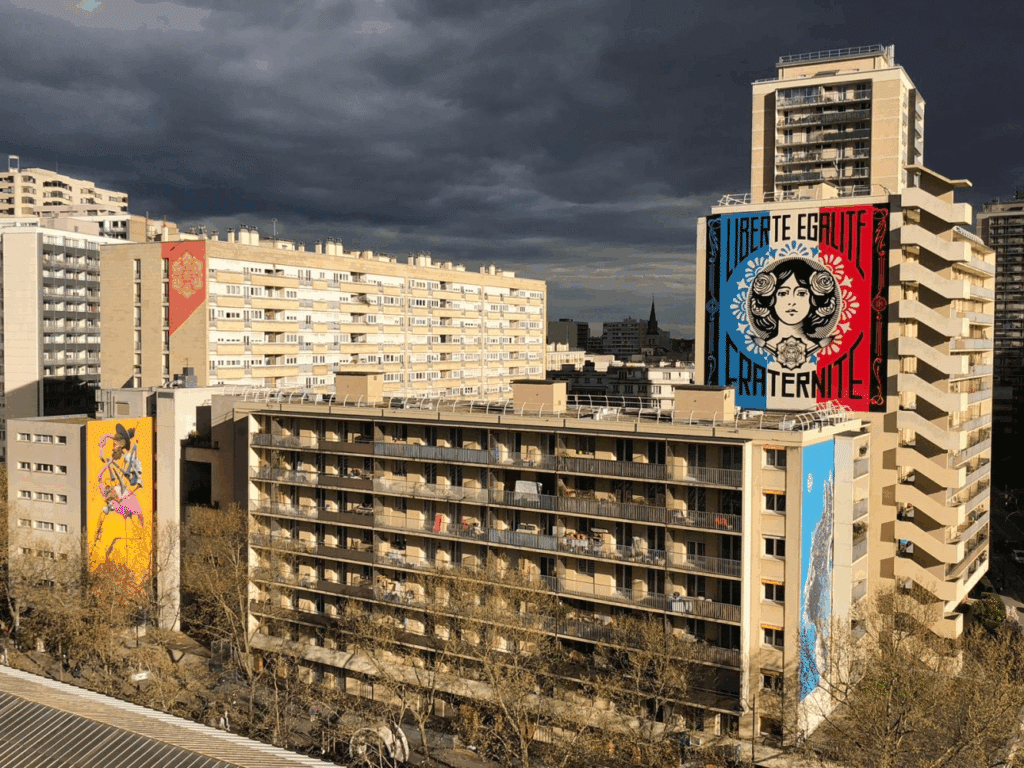
France combines a rich heritage with contemporary dynamism. On the one hand, historical murals are restored with extreme care, whether in churches, theaters, or mansions. On the other hand, cities are investing heavily in contemporary murals to revitalize public spaces. Lyon has become a symbol with its trompe-l'oeil painted walls, such as the Mur des Canuts and the murals Lyonnais. In Paris, Boulevard Vincent-Auriol has been transformed into an open-air gallery, welcoming international artists. In Marseille, murals accompany the urban transformation of working-class neighborhoods, reinforcing local identity.
L’impact des fresques
Contemporary murals are no longer just decorative: they tell stories, assert identities, and interact with their surroundings. They can highlight heritage, revitalize a neighborhood, creatively mark a space, or simply evoke emotion. This creative freedom, combined with the diversity of media, gives rise to unique works that permanently transform our relationship with public space and make our cities cultural experiences in their own right. However, when they are strung together without overall coherence, they can lose their narrative power and create a patchwork effect, where each murals in isolation, with no real connection to its environment or other interventions.
Notre vision sur le futur des fresques
Une expérience partagée
Tomorrow, murals will continue to be present in public spaces. They will increase interactions and experiences. They will no longer be just a fixed point to observe, but a living medium, capable of dialoguing with the city and its inhabitants.
Des fresques qui se digitalisent
Thanks to digital technology, the murals come to life, react to passersby, or change with the seasons. All you need is a smartphone to reveal invisible layers: historical accounts, artist interviews, audio clips, or augmented reality animations.
Some creations will combine painting and video mapping. They will play with light projections to change the atmosphere of a place. During the day, the murals a colorful graphic composition. At night, they will transform into a moving scene with added images, textures, and lights.
These evolving visual narratives will allow residents to rediscover the same place on a regular basis. Each visit will offer a new experience.
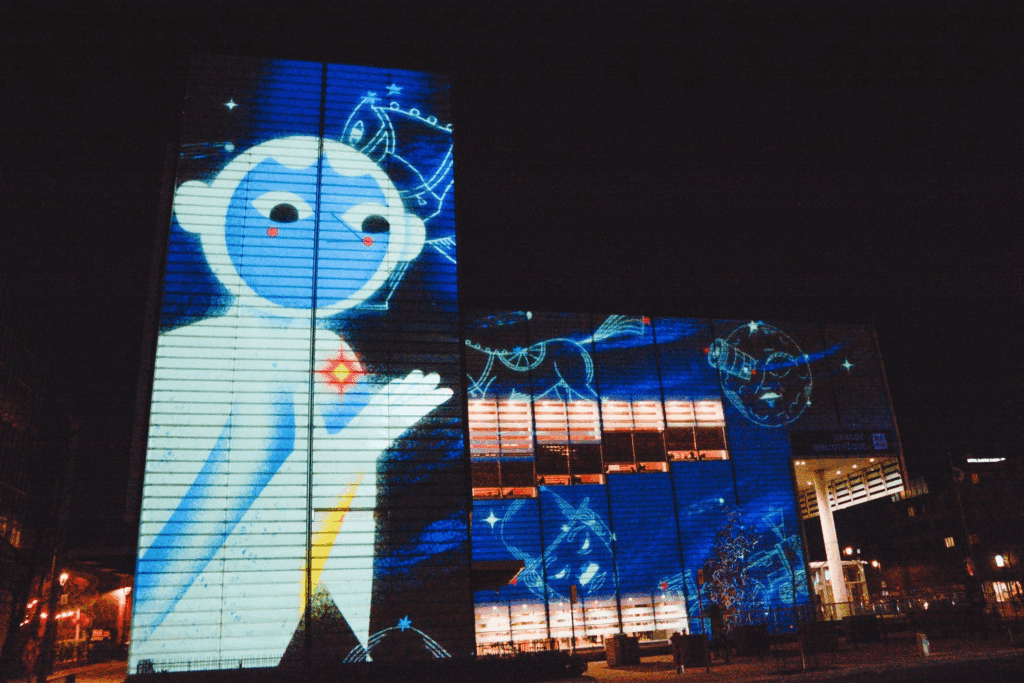
Des fresques imbriquées avec d’autres formes d’art
The link with other arts will be strengthened. A murals be extended by sculpture, creating volumes that interact with the painted work. These elements will become visual landmarks and invite people to explore public spaces in a different way.
In addition, street furniture can be integrated into the murals. Benches, lighting fixtures, and signage will become organic extensions of the artwork.
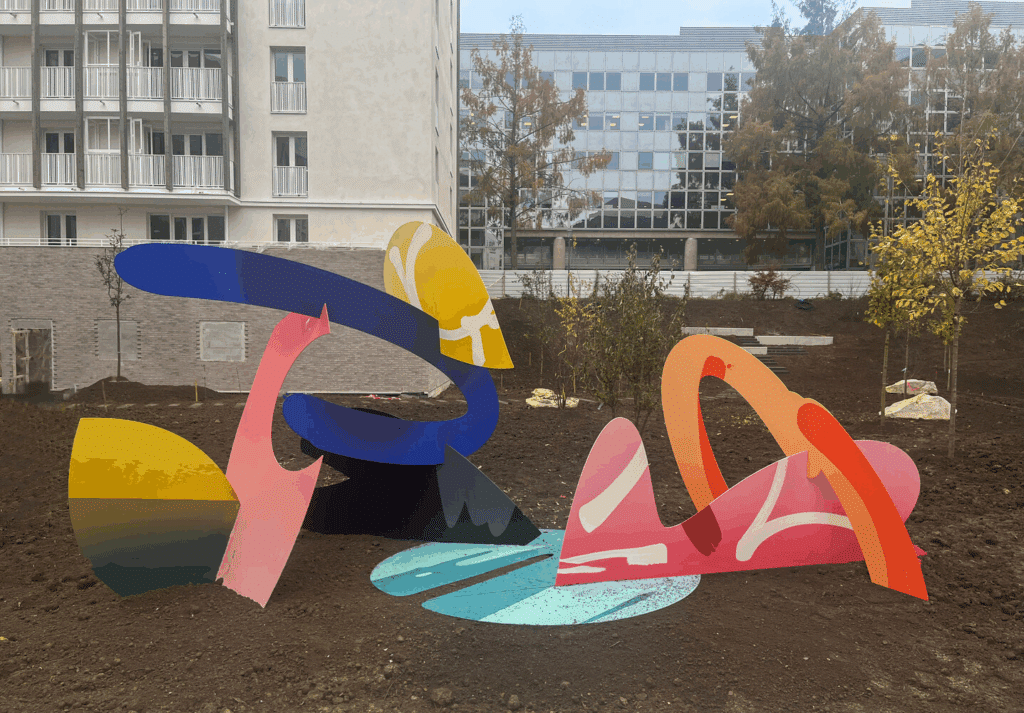
Alongside these permanent installations, occasional interventions will reactivate the murals. A play could use the wall as a living backdrop. A music group could compose a sound piece that resonates with its shapes. A choreographed performance could explore the murals motion. These ephemeral dialogues will offer constantly renewed experiences.
Des fresques innovantes
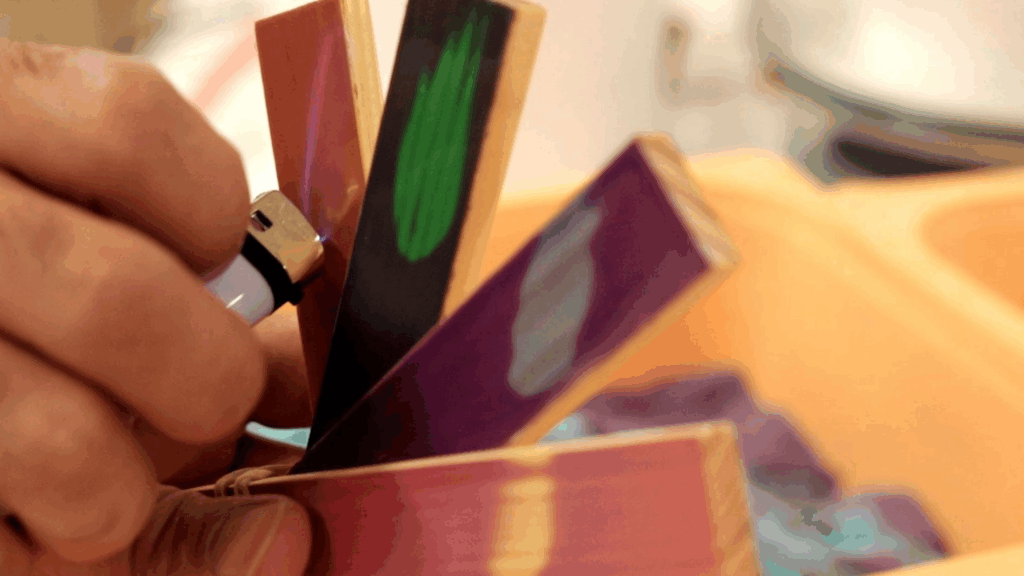
Pictorial innovations will also open up new perspectives. In Australia, research is exploring pigments that change color depending on humidity. One can imagine frescoes that react to heat or light. The work will thus establish a permanent dialogue with its natural environment.
Des fresques éphémères
Enfin, la fresque artistique combinera permanence et éphémère. Certaines œuvres seront conçues pour durer, avec des matériaux résistants et un entretien régulier. D’autres assumeront leur caractère transitoire, comme celles de l’association M.U.R., qui réinvente une façade chaque mois.
This alternation between tradition and renewal reflects the vitality of an art form in motion. murals to surprise, move, and adapt to the rhythm of their surroundings.
Blois stands out as one of the first cities to experiment with this movement. Local officials called on PALM, a team specializing in monumental painting projects. In collaboration with local artists, PALM devised new forms of murals, adapted to urban spaces and their inhabitants.
See also